
What caused the closure ?
Simply put, a very small ledge of rock at the top of the steep incline between the river and the castle fell down. The ledge was only about three meters or ten feet long. Over the last twenty years it had been progressively undermined by water washing the soil beneath it away. Really hardly surprising.
What did the Parks Department do ?
What they normally do - a typical knee jerk reaction: without thinking or taking any advice they "pressed the red button"
The Evidence and the History
Here are some photos taken on 31st October 2021.
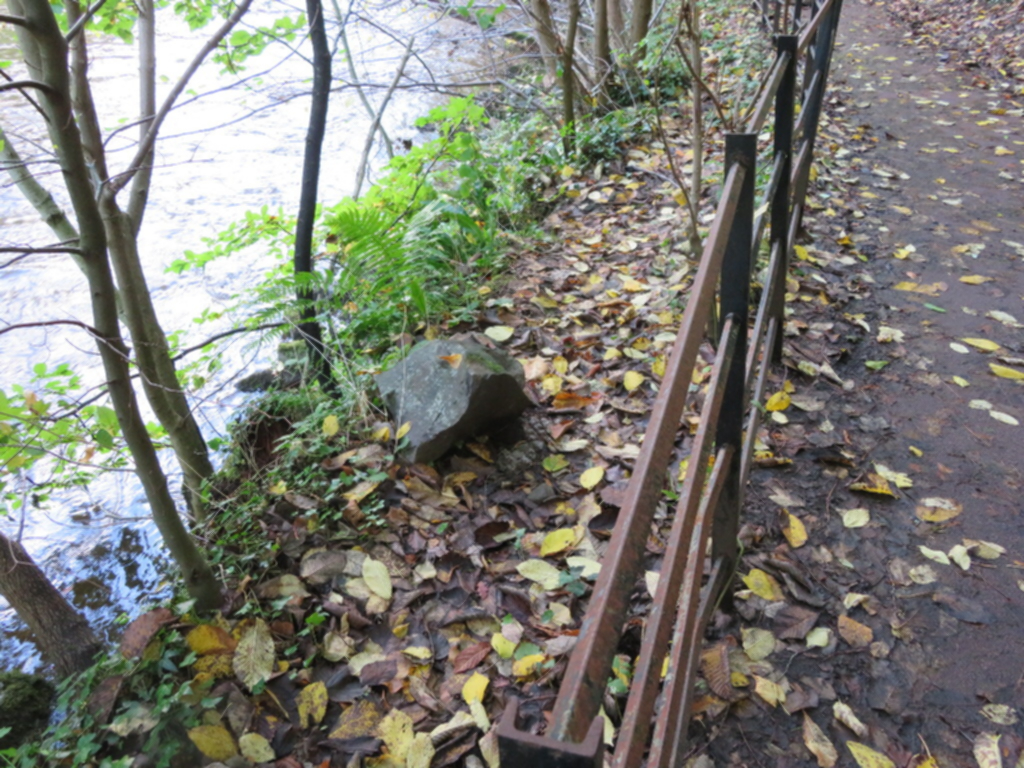
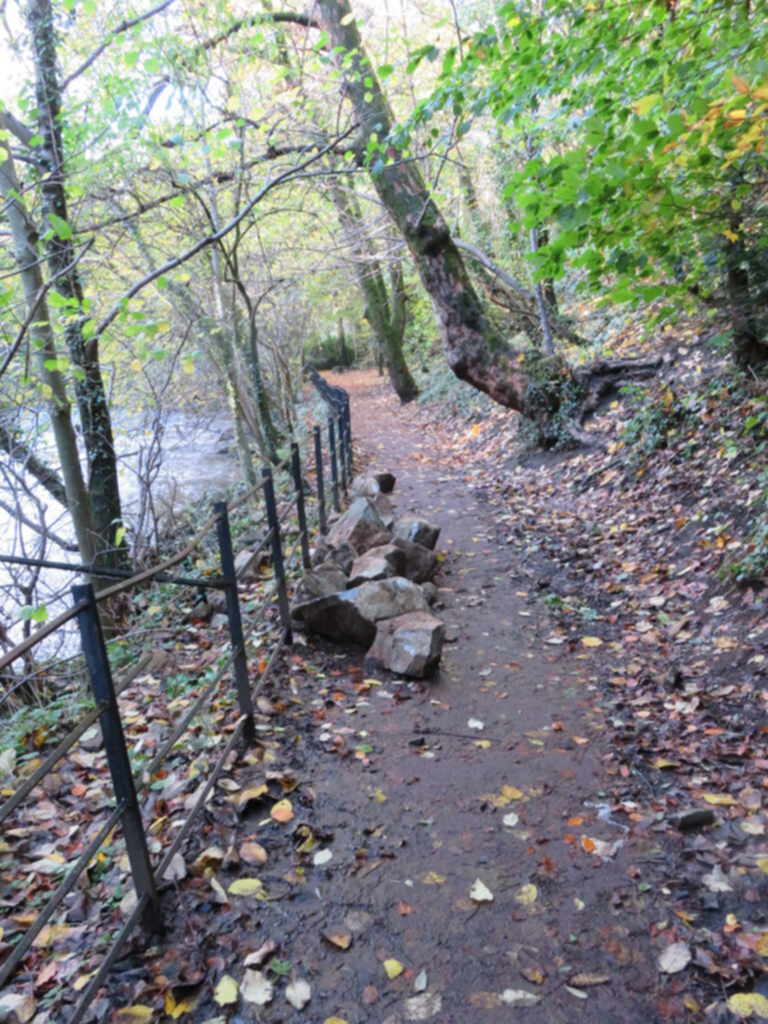
When they came slowly down, they were at the foot of slope.
People were able to get round these simply and safely. Here are two photos - one at each end.
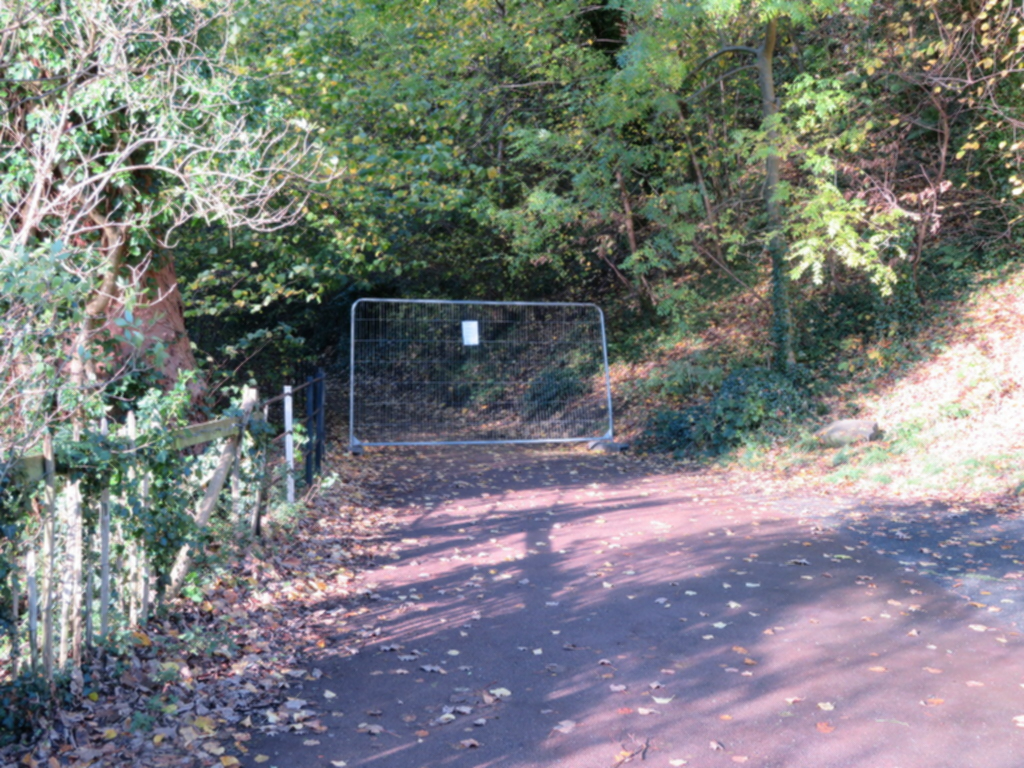
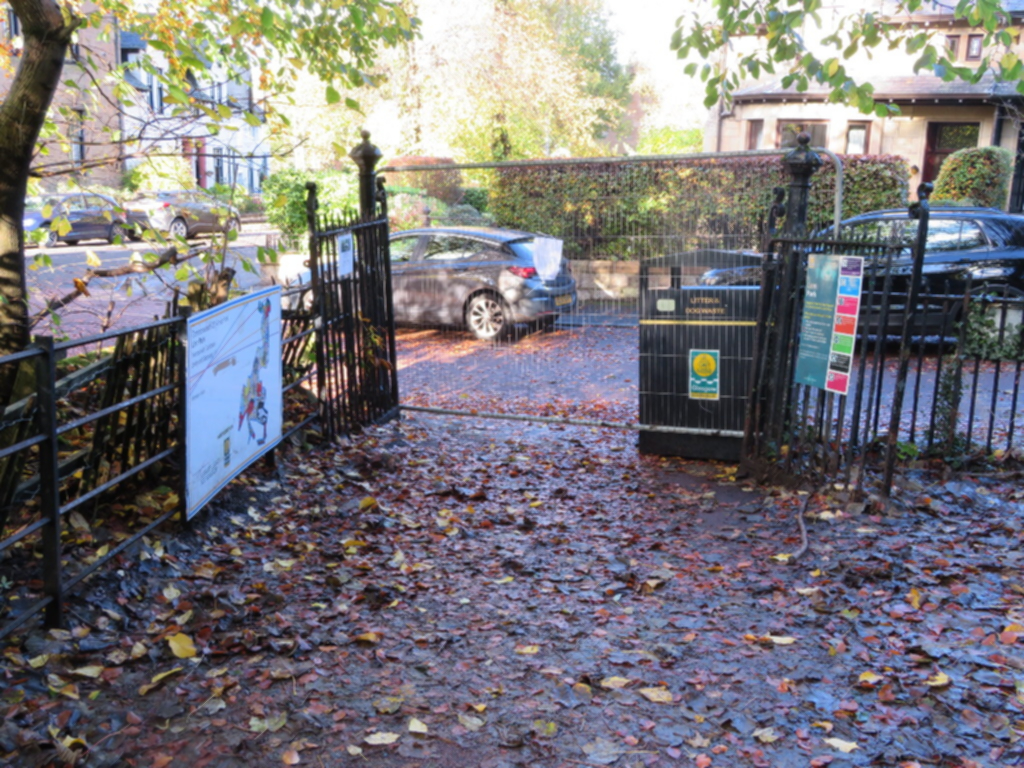
And nothing on the path . . . the boulders travelled down very slowly and just lay at the edge of the slope.
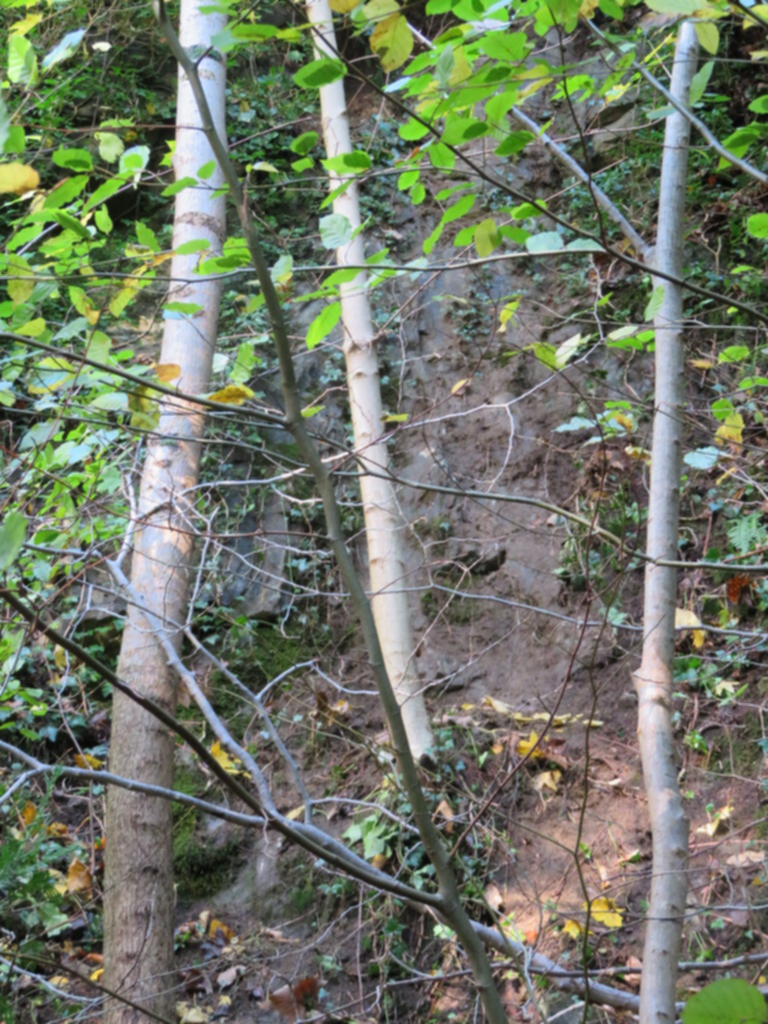
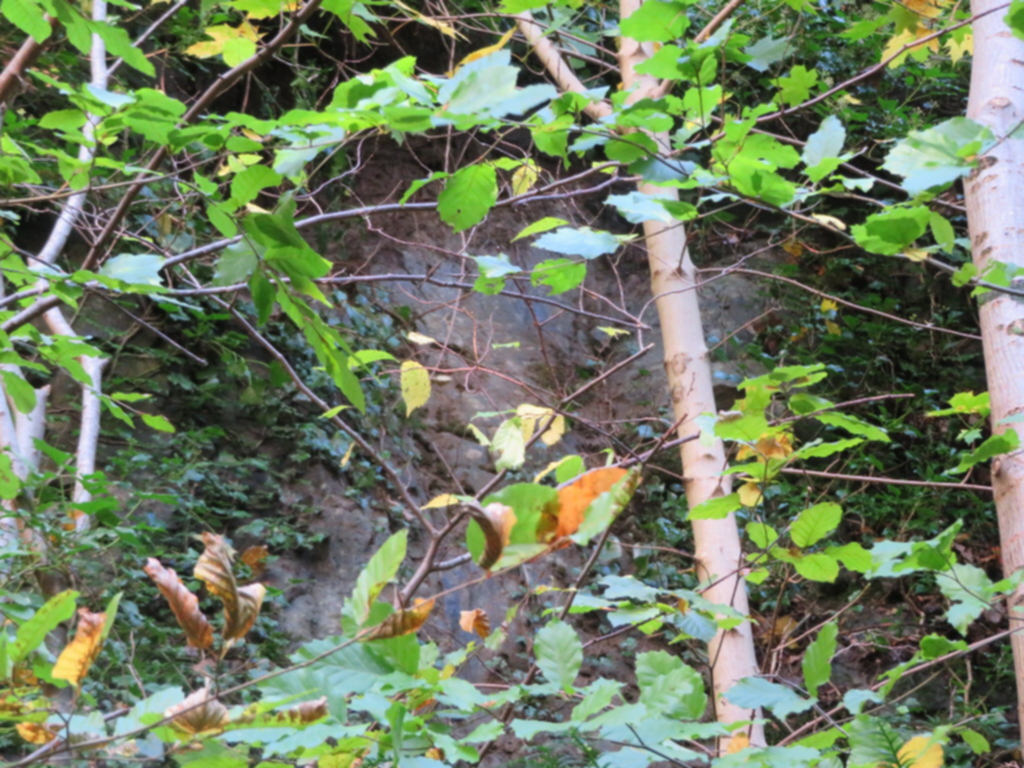
What is the "Common Sense" conclusion ?
By their actions in continuing to use the path the "reasonable man" [which is a term used by the late Lord Denning MR] has concluded that is is most probably safer than walking along the path above Old Castle Road.
The Petition
As a consequence of the almost universal common sense conclusion, a long term park user [that's forty years or more] raised a petition. You can read it here: https://www.change.org/p/reopening-of-entrance-to-linn-park-at-snuffmill-bridge.
The Cover Up and the RSK Report
First of all what is a "cover up". It is an action taken to show that the previous action was in fact sane and sensible !
So quite rightly, one is immediately suspicious of any actions taken by the Parks Department. These turned out to be:
- Erecting a fence which in many respects is more of a danger to the general public than the actual not unsafe situation, and
- Obtaining a report which tends to support the fact that there is an "immediate danger" of another rock fall. Click here to read the original report as published, and click here to read the same report with our comments upon it.
Some Comments [by competent persons]
What do we mean by a "competent person" ? The answer is simple. It is someone who has had appropriate education [a university degree] and training [with a company], to obtain the relevant professional experience, and is most likely to be a Chartered Engineer and a member of a relevant Engineering body like the Institution of Civil Engineers, or a member of The Geological Society (having incorporated the Institution of Geologists).
If you are a competent realistic pragmatic professional, the Gents@Linnpark.org.uk would like to hear your views.
The first set of comments received by someone who has been a park walker for decades reads as follows:
Yesterday I negotiated the barrier and walked right through, along with a local dog walker, who does it twice a day. :
- The obvious solutions are:
- A barrier to falling rocks, but the path is too near the cliff to be effective. Path could be moved into river, but narrowing of channel probably taboo, due to flooding issues.
- Netting/rock bolting. May need removal of trees, etc, which would worsen stability.
- Assuming both options are too expensive for Council to contemplate:
- Fencing will always be open on the river side, so path closure is not fully effective.
- In the unlikely event that somebody is injured, they could lie for a long time. Whereas, if the path was open, (at walker's own risk) folk pass regularly.
The next set of comments are by the Gents [one of whom has been using the park since he was 5 years old] - mostly Chartered Engineers - who have approached the problem on what might be described as the comparative risks of doing and not doing something. Their considered conclusion is that it is much safer to leave the path OPEN.
- Bicyclists being forced to use the very narrow part of Old Castle Road past the Castle as opposed to being safe on the path below the Castle,
- Pedestrians unfamiliar with the area find themselves unable to walk the path below the Castle, coming out at Seil Drive and walking down the very narrow part of Old Castle Road past the Castle.
- Park users who consider it safe to walk below the Castle AND negotiate the fence jutting out over the river.
- For forty years no rocks ever fell down - except in the Court Knowe quarry - go and count them.
- What is the likelihood of a rock fall in the next decade ?
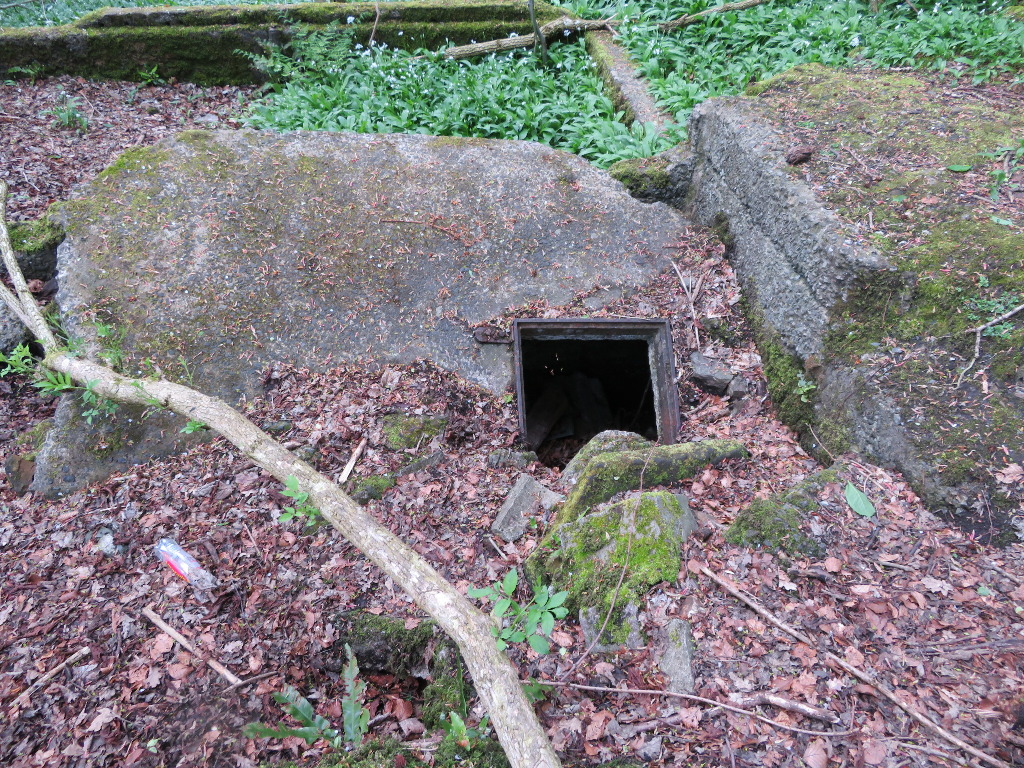
Examples of other "unacceptable" risks in Linn Park which have been ignored:
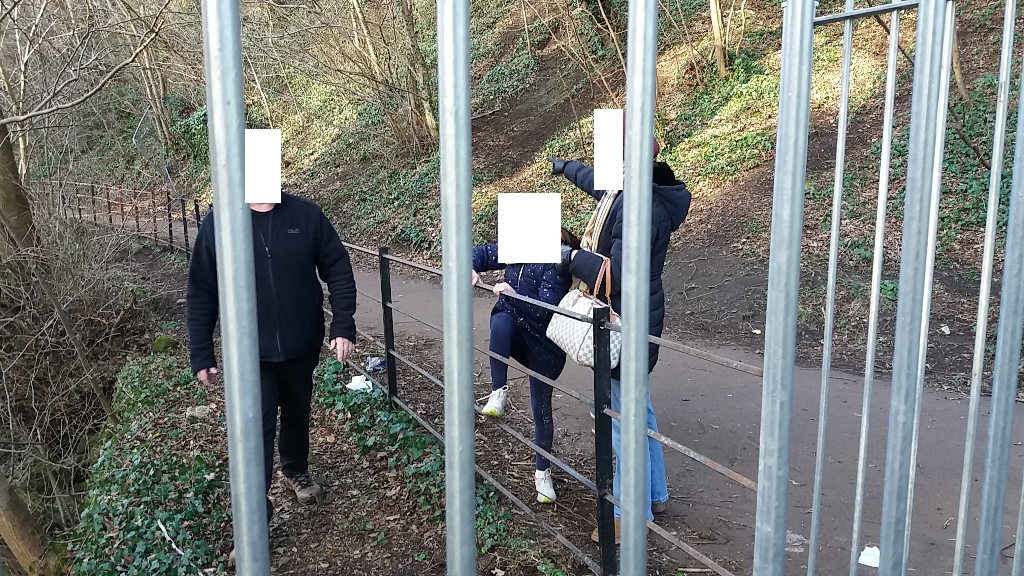
A family caught on the wrong side and not sure what to do ... alternative caption "how to create a potentially very dangerous situation"
This is probably the MOST dangerous consequence of poor fencing design ... that is of course presuming it was designed, which it clearly wasn't.
What is to be done next ?
Pray that no-one gets killed because of the stupidity of what has been done.
More pragmatically, the immediate erection of the following signs are suggested:
- At the closed Park Entrance, a map showing pedestrians how to get to the Seil Drive Entrance SAFELY. Bicyclists and Wheel Chair users et al should be warned of the steps and the adverse camber on the path adjoining Old Castle Road.
- At the Seil Drive Entrance, a map showing how to get to the Snuff Mill Bridge. Bicyclists and Wheel Chair users et al should be warned of the steps and the adverse camber on the path adjoining Old Castle Road.
Then discussion with the council need to take place to establish an immediate reasonable solution - viz open the path, and erect some warning signs to absolve the council of any liability - typically as is found in most car parks.
Who are RSK Environment Ltd
Companies House and other sources have been researched and the results are presented in a "Report on RSK" - see below.
Can their report be relied upon ?
What this question really asks is "Were RSK requested to provide a report with a specific answer ?"
Please see the "article which reports on RSK, does a comparative risk assessment, and lists who can be complained to".